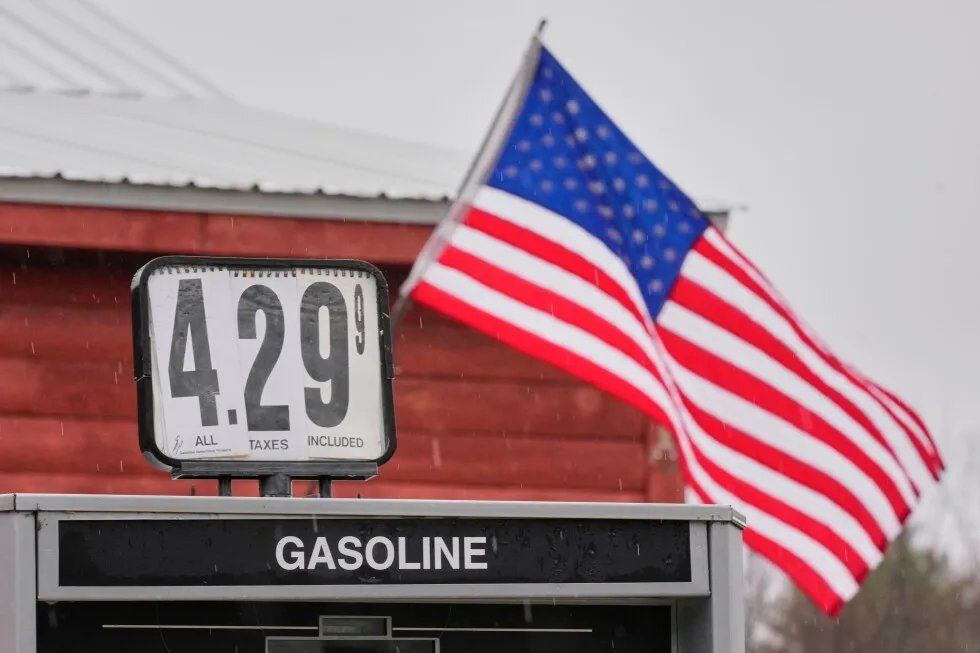
Four dollars. That is the number now staring back at American drivers every time they pull up to the pump. The national average for a gallon of regular gasoline hit $4.02 on Tuesday - a price Americans have not seen since August 2022, when Russia's invasion of Ukraine sent energy markets into chaos. This time, the catalyst is the US-Israel war against Iran, which has effectively shut down the Strait of Hormuz and choked off roughly one-fifth of the world's oil supply. Crude oil now sits above $100 per barrel, up from $67 before the conflict started barely a month ago.
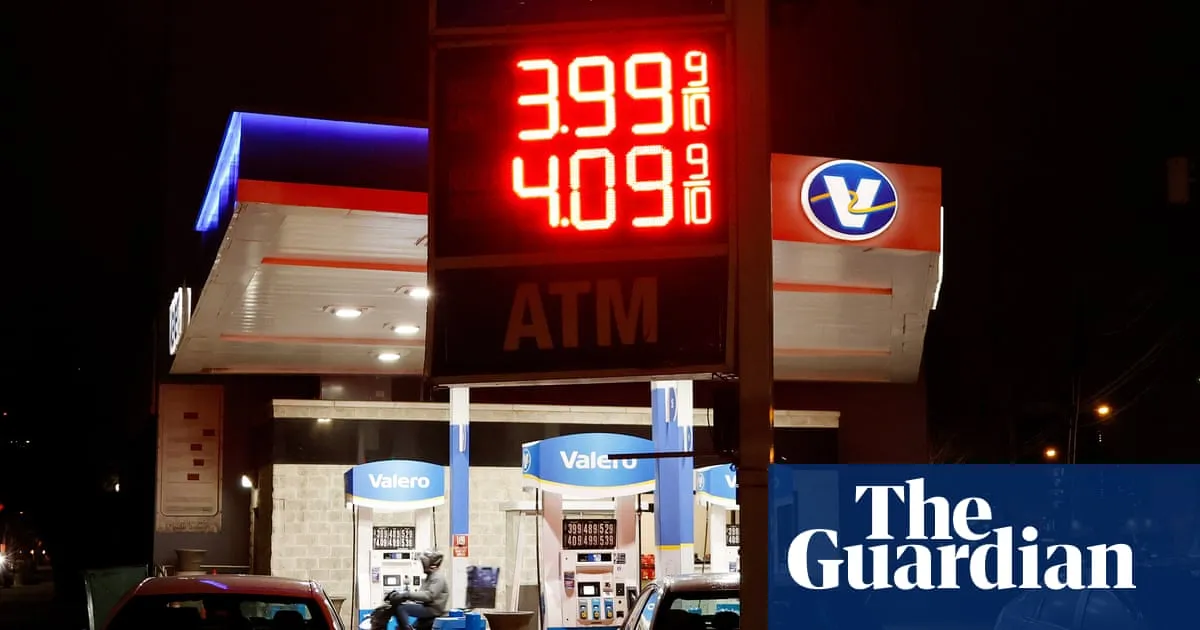
The Numbers
The national average for a gallon of regular gasoline reached $4.02 on March 31, according to AAA - crossing the $4 threshold for the first time since August 2022 and more than a dollar higher than before the Iran war began on February 28.
Diesel is worse. The national average hit $5.45 per gallon, directly impacting freight costs for every item that travels by truck, train, or delivery van. In California, drivers face the highest prices at $5.89 per gallon. Oklahoma has the lowest at $3.27.
Crude oil prices tell the underlying story. Brent crude surpassed $102 per barrel this week, up from roughly $67 before the conflict erupted - a 52% surge in barely four weeks.
"Don't be surprised to see prices continue to go higher. There is no ceiling in sight," said Patrick De Haan, head of petroleum analysis at GasBuddy. De Haan warned that if the Strait of Hormuz remains blocked, the national average could climb toward $4.50 or even $5.00 per gallon.
What Is Driving the Surge
The US-Israel military campaign against Iran, launched February 28, has effectively shut down the Strait of Hormuz - a narrow waterway between Iran and Oman that once carried roughly 20% of the world's daily oil supply. With that chokepoint closed, major Persian Gulf producers cannot easily move crude to global markets.
The supply shock hit an already tight market. Before the war, global oil inventories were at multi-year lows. The sudden removal of millions of barrels per day from the supply chain created a gap that no single country or reserve release can fill quickly.
The International Energy Agency has pledged to release 400 million barrels from emergency stockpiles across member nations - but refineries buy crude in advance, and the supply pipeline takes weeks to reach consumers. Market analysts say the reserve release may slow the rate of increase without actually reversing it.
Americans Feel the Pressure
The price spike is landing hardest on the 85% of American workers who commute by car. Ron Purdin, a 62-year-old retiree in Oklahoma City, told NPR that he has cut back on driving to his grandchildren's baseball games. "I used to go twice a week. Now I pick one and watch the other on my phone," he said.
Across the country, families are making similar calculations. A recent AP-NORC poll found that 45% of US adults are now "extremely" or "very" concerned about their ability to afford gasoline - up from 30% shortly after the 2024 presidential election.
Younger Americans are feeling it acutely. Three in four Gen Z adults reported cutting back on social activities, dining out, and discretionary spending specifically because of gas prices, according to the same survey.
The Ripple Effects
Diesel at $5.45 per gallon does not just hurt truckers - it inflates the cost of everything that moves. Grocery chains have begun passing higher transportation costs to consumers, with food-at-home prices rising 0.8% in March alone according to preliminary Bureau of Labor Statistics data.
The US Postal Service announced it is seeking an 8% temporary surcharge on Priority Mail and shipping services, citing "extraordinary fuel cost increases." FedEx and UPS have similarly adjusted fuel surcharges upward in recent weeks.
For the broader economy, the math is straightforward but painful. Every dollar added to a gallon of gasoline pulls roughly $400 million per day out of consumer spending. That money flows to energy companies and foreign producers instead of restaurants, retailers, and small businesses that drive most US employment.
What Happens Next
Analysts see three scenarios. If the Strait of Hormuz reopens within weeks through a ceasefire or diplomatic resolution, prices could gradually retreat toward $3.50 by mid-summer. If the conflict drags on through spring, the $4.50 level becomes almost certain as summer driving season adds demand pressure on top of the supply shortage.
The worst case - a prolonged war with expanded strikes on Iranian oil infrastructure - could push the national average toward the all-time record of $5.02 set in June 2022.
Seasonal factors compound every scenario. Summer-blend gasoline is more expensive to produce, and rising travel demand through June historically adds $0.20 to $0.40 per gallon regardless of geopolitics.
President Trump has repeatedly stated that gas prices "will drop when it's over." But energy economists note that post-conflict price declines historically lag the end of hostilities by 8 to 16 weeks - meaning American drivers will likely pay elevated prices well into fall even in the best-case scenario.
Frequently Asked Questions
Why did US gas prices hit $4 per gallon?
The primary driver is the US-Israel war against Iran, which began on February 28, 2026. The conflict has effectively shut down the Strait of Hormuz - a waterway that carried roughly 20% of the world's oil supply. This massive supply disruption pushed crude oil from $67 to over $100 per barrel, directly inflating gasoline prices at the pump.
How high could gas prices go in 2026?
Analysts at GasBuddy warn that if the Strait of Hormuz remains blocked, the national average could climb toward $4.50 to $5.00 per gallon or even approach the all-time record set in June 2022. The trajectory depends on the duration of the conflict and whether emergency oil reserves effectively supplement supply.
What is the Strait of Hormuz and why does it matter?
The Strait of Hormuz is a narrow waterway between Iran and Oman through which approximately 20% of the world's oil once passed daily. With the strait effectively closed due to the Iran war, major oil-producing nations in the Persian Gulf cannot easily export their crude, creating a global supply shortage.
Will the US Strategic Petroleum Reserve bring prices down?
The International Energy Agency has pledged to release 400 million barrels from emergency stockpiles. While this should provide temporary relief, refineries buy crude in advance and the supply pipeline takes weeks to reach consumers. The reserve release alone is unlikely to bring prices below $4 in the near term.
How are rising gas prices affecting the broader US economy?
Higher fuel costs are cascading through the economy. Diesel at $5.45 per gallon increases shipping and freight costs, which raises grocery and consumer goods prices. The US Postal Service has requested an 8% temporary surcharge. An AP-NORC poll found 45% of Americans are now highly concerned about affording fuel.
The Bottom Line
The $4 gas price is more than a number on a pump display - it is a confidence signal for 160 million American households deciding how much to spend, save, and worry this month. Every dollar added to a gallon of gasoline pulls hundreds of millions per day out of consumer wallets nationwide. With diesel at $5.45 pushing grocery and shipping costs higher, the true inflation impact of this fuel spike extends far beyond the gas station. Whether the Iran war ends next week or drags into summer, the economic damage from this price shock is already locked in for the next quarter. American drivers are paying for geopolitics at the pump - and every analyst watching the Strait of Hormuz knows the worst-case scenario has not arrived yet.
Continue reading related coverage in News or browse the latest articles.